October 13, 2026
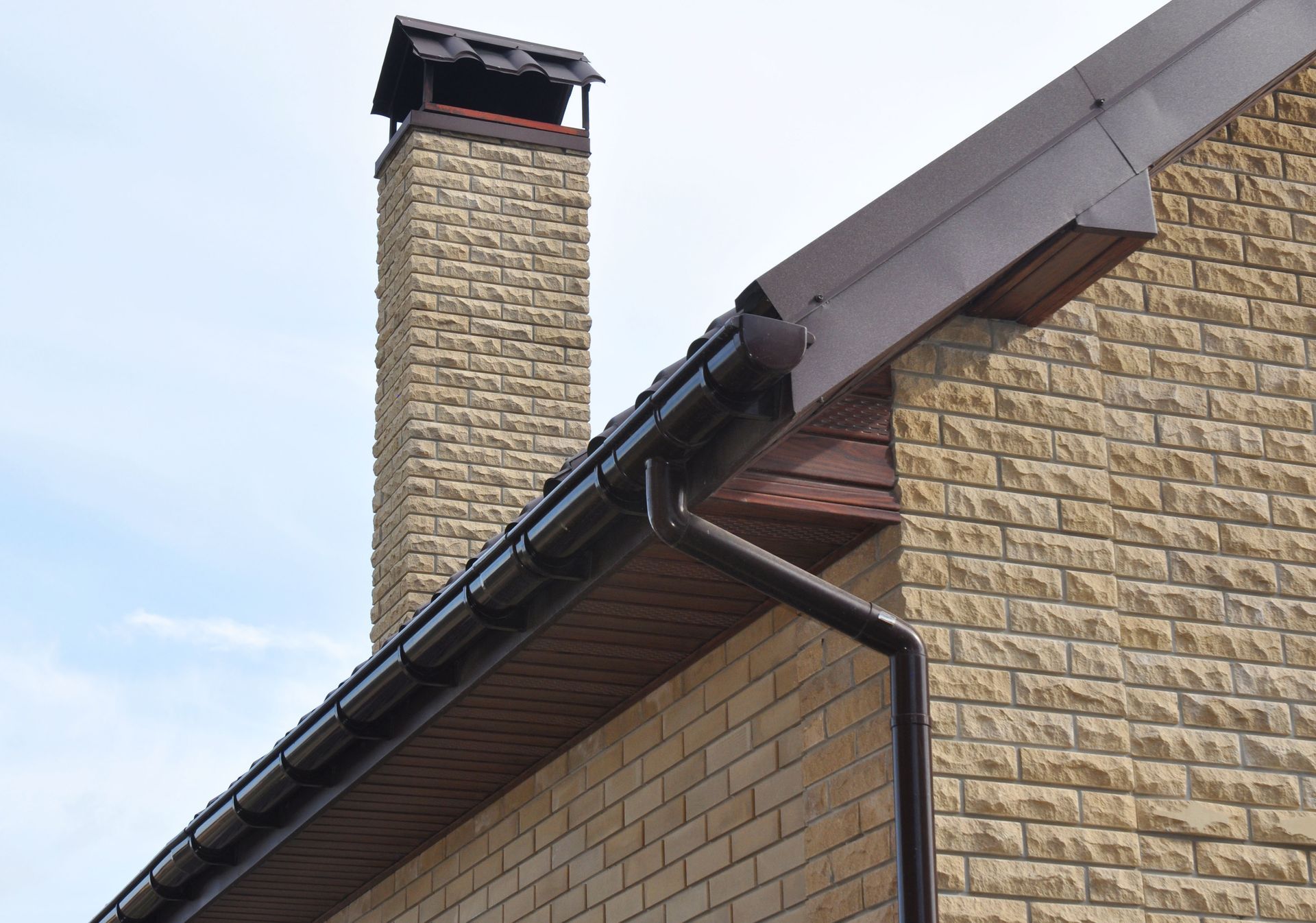
Gutters play an important role in directing rainwater away from a property's roof, walls, foundation, landscaping, and other vulnerable areas. However, leaves, twigs, pine needles, and other debris can interfere with that drainage system when they accumulate inside the gutters. Gutter guards can help limit the amount of debris entering the system, but choosing an appropriate solution requires more than selecting a product based on appearance alone. Understanding the property's drainage needs, gutter configuration, guard design, and level of professional service can help property owners make a more informed decision.
Evaluating Existing Gutter Conditions
Before selecting gutter protection, it is important to understand the condition of the existing gutter system. Damaged sections, loose fasteners, poor connections, or drainage problems may need professional attention before guards are installed. Installing a protection system over underlying problems may prevent those issues from being addressed properly. A professional assessment can provide a clearer picture of whether the current gutters are suitable for guard installation.
The surrounding roof and landscape can also affect gutter performance. Properties beneath mature trees may experience substantially different debris levels from those in areas with limited vegetation. Roof design, pitch, gutter size, and the amount of rainfall a property receives can also influence drainage requirements. Professional gutter guard services can evaluate these factors together rather than treating every property as though it has identical needs.
Comparing Gutter Guard Designs
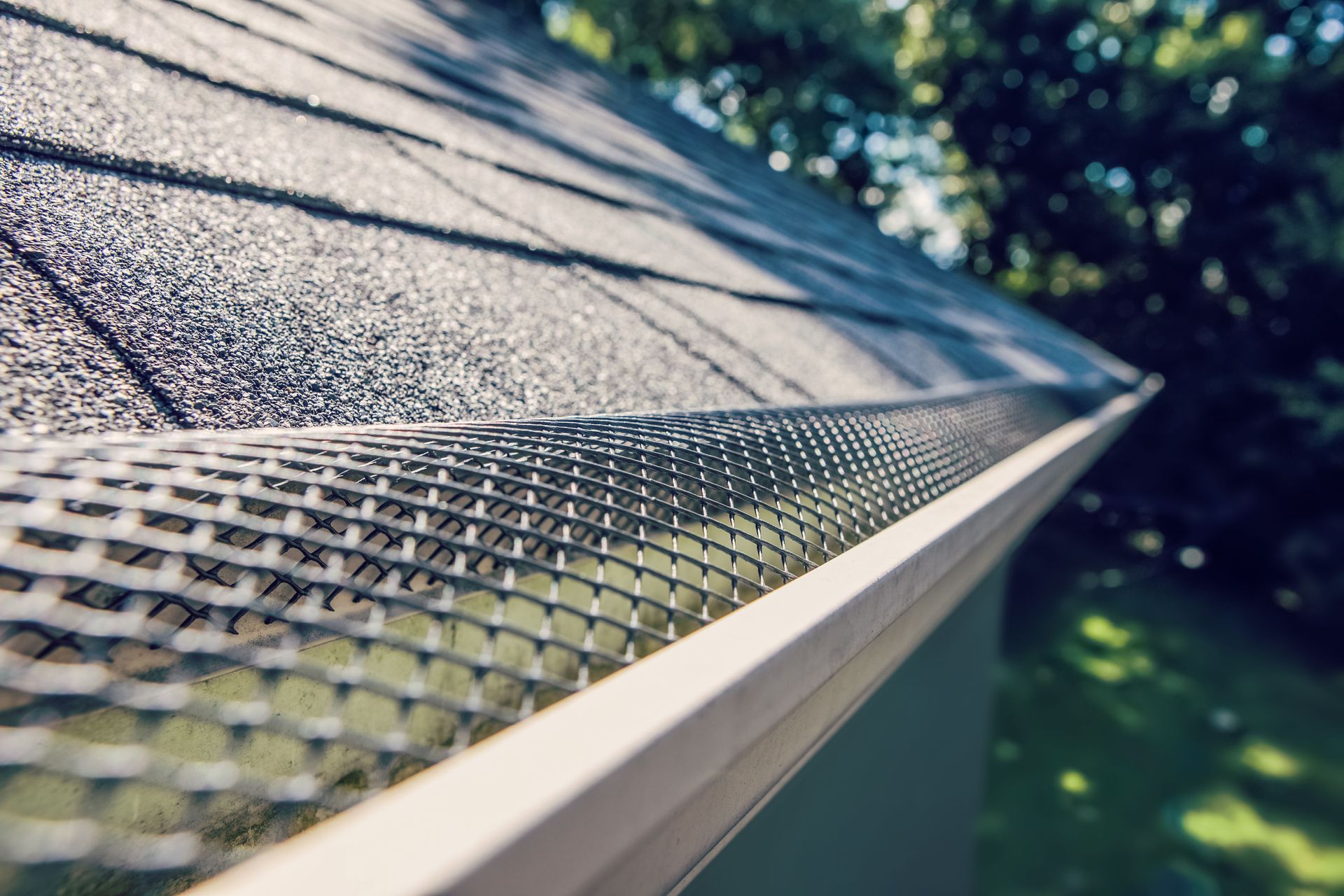
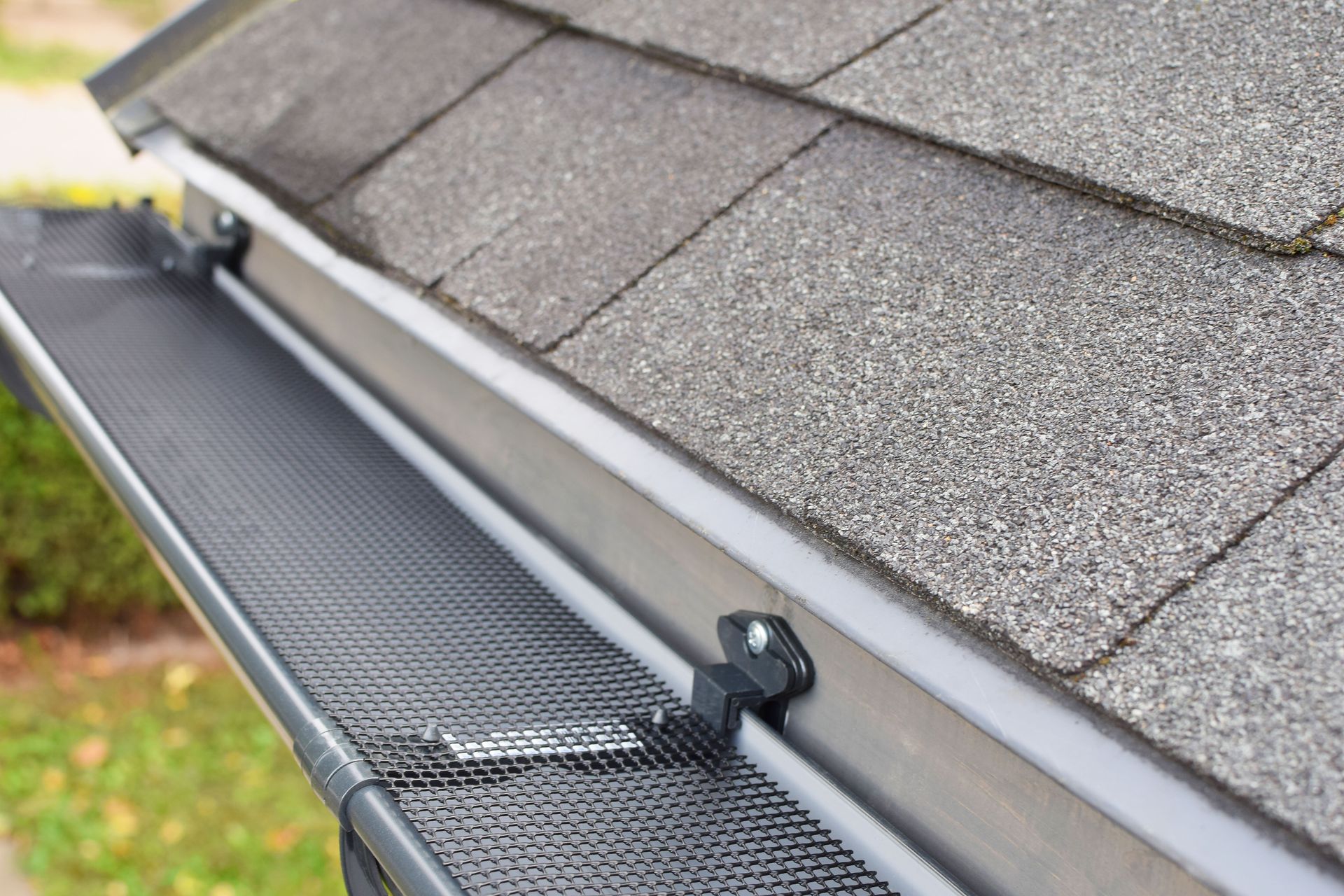
Gutter guards are available in several designs, and each approach can interact differently with a property's gutter system. Screens, mesh systems, solid covers, and other configurations are designed to limit debris entry while allowing water to reach the gutter channel. The size and type of debris present around a property can influence which design is appropriate. Comparing these characteristics can help property owners focus on performance rather than appearance alone.
The design should also work with the existing gutter configuration. A guard that performs well in one setting may not be appropriate for another because of differences in roof construction, gutter dimensions, or surrounding environmental conditions. Professional installers can evaluate compatibility before recommending a solution. This assessment helps connect the protection system to the actual characteristics of the property.
Considering Debris Protection Needs
Not every property encounters the same type or volume of gutter debris. Broad leaves may be relatively easy for some systems to manage, while smaller particles such as pine needles and roof granules can present different challenges. Properties surrounded by dense trees may require a guard design capable of handling frequent debris exposure. Understanding what commonly enters the gutters can therefore be an important part of selecting an appropriate system.
Seasonal changes may also affect debris accumulation. A property could experience heavy leaf fall during autumn and additional debris from storms throughout the year. Professional gutter guard services can account for these environmental factors when evaluating the property's protection needs. A solution designed around actual debris conditions can provide more appropriate coverage than a generic selection.
Reviewing Water Flow Requirements
Gutter protection needs to allow rainfall to enter the drainage system effectively while limiting debris. If water does not move efficiently into the gutters, heavy rainfall can lead to overflow and reduce the effectiveness of the overall drainage system. The relationship between the roof, gutter slope, guard design, and downspouts therefore deserves careful consideration. Professional evaluation can help identify conditions that may affect water movement.
According to This Old House, gutters should slope downward by approximately one-fourth of an inch for every 10 feet so water can flow freely toward the downspouts. Proper slope is one part of an effective drainage system, and it demonstrates why gutter guards should be considered alongside the existing gutter configuration. Professional installers can evaluate whether the system is positioned appropriately and whether the selected protection method supports effective water movement.
Checking Material Durability
Gutter guards are exposed to outdoor conditions throughout the year. Rain, sunlight, wind, temperature changes, falling debris, and seasonal weather can all affect exterior materials over time. The construction and finish of a guard can therefore influence its long-term performance. Property owners should consider how the selected material is suited to the environment where it will be installed.
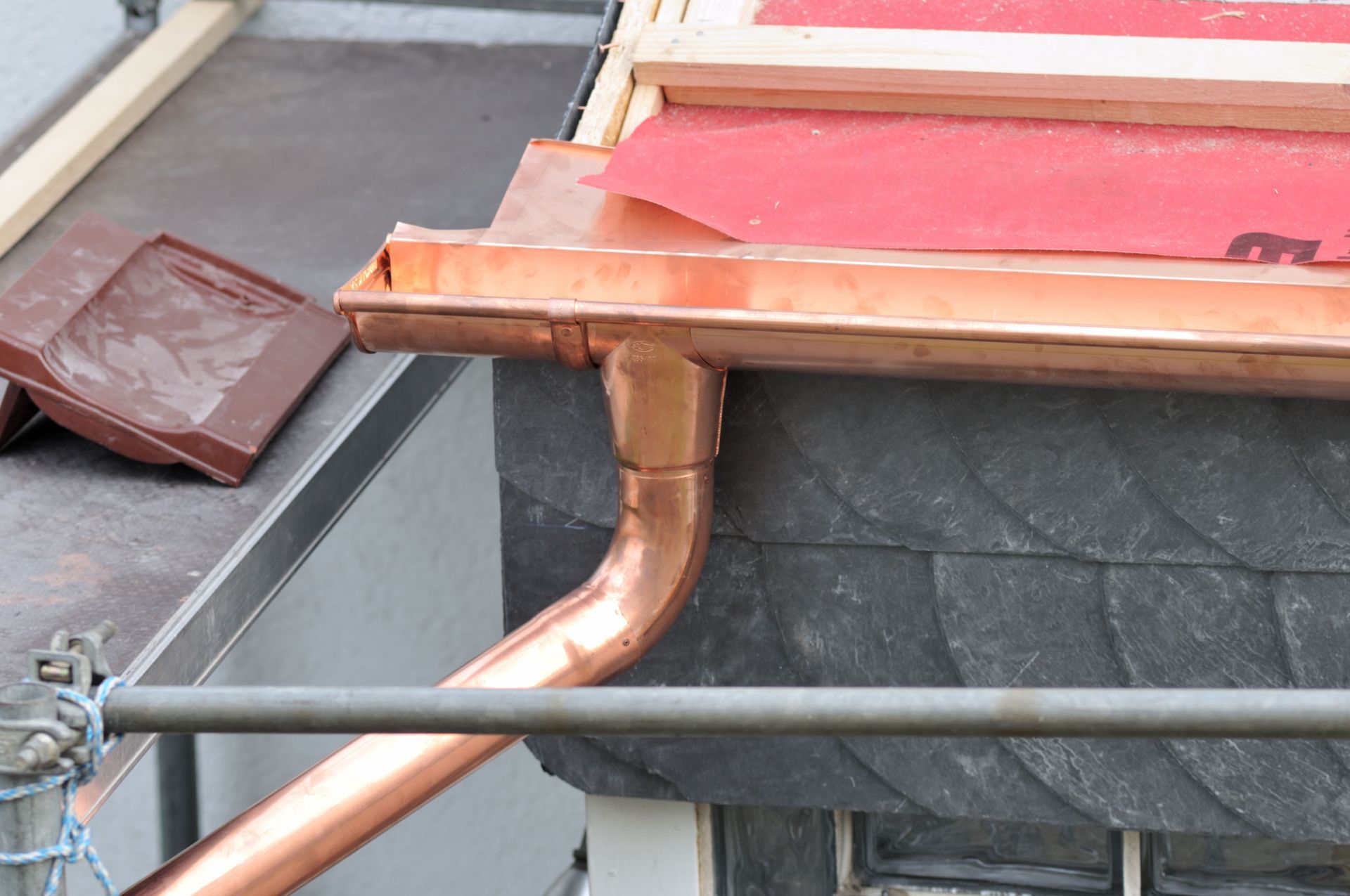
Material selection should also complement the existing gutter system. Differences in construction, finish, and appearance can affect how the completed installation looks along the roofline. Professional recommendations can help property owners consider durability alongside compatibility and appearance. A balanced evaluation makes it easier to select protection that fits both functional and aesthetic requirements.
Assessing Maintenance Expectations
Gutter guards are designed to reduce debris accumulation, but they do not necessarily eliminate every maintenance consideration. Fine particles, organic material, or debris that settles on top of the guard may still require professional attention depending on the system and surrounding environment. Understanding these expectations before installation can help property owners plan for long-term gutter care. A professional service provider can explain how the selected system is expected to perform and what ongoing attention may be appropriate.
Maintenance requirements can also vary based on local conditions. Properties surrounded by trees may need more frequent professional evaluation than properties with minimal vegetation. The condition of the roof and gutter system can influence maintenance needs as well. Discussing these factors with a service provider can help property owners establish realistic expectations for ongoing care.
Evaluating Installation Compatibility
Proper installation is essential because gutter guards need to integrate with the existing drainage system. The installer may need to account for gutter dimensions, roof edges, fasteners, hangers, corners, seams, and downspout locations. These details can affect how securely the guards fit and how effectively water reaches the gutters. Professional installation provides an opportunity to address these variables as part of one coordinated project.
Compatibility also matters when a property has multiple rooflines or different gutter configurations. A single guard design may not necessarily be appropriate for every section of a complex property. Professional gutter guard services can evaluate different areas and determine how the protection system should be incorporated throughout the drainage network. This can help create a more consistent approach across the property.
Considering Professional Experience
Choosing a service provider involves evaluating more than the guard product itself. Experience with gutter systems, roof configurations, drainage concerns, and installation requirements can influence the quality of the overall project. A professional provider should be able to evaluate the property, explain relevant considerations, and recommend a solution based on the site's actual characteristics. Clear communication can also help property owners understand what the service involves.
Professional experience is particularly valuable when existing gutters have unusual configurations or signs of deterioration. The provider may identify conditions that affect installation before work begins. Addressing those considerations early can help prevent complications during the project. A knowledgeable service approach connects product selection with the condition and design of the complete gutter system.
Choosing the right gutter protection requires careful consideration of the existing drainage system, debris conditions, water flow, materials, maintenance expectations, and installation requirements. Professional
gutter guard services can help property owners evaluate these factors and select an approach suited to the property's specific characteristics. Gutters Ez To Do It LLC can assist with professional gutter guard installation and related gutter needs, helping property owners develop a practical approach to protecting their drainage system. Contact Gutters Ez To Do It LLC to discuss your property and determine which gutter protection solution fits your needs.